What Is the Easiest Way to Buy Bitcoin in Canada in 2026?

- Primary Signal: What Is the Easiest Way to Buy Bitcoin in Canada in 2026?
- Overview: Buying Bitcoin in Canada in 2026 is straightforward — regulated exchanges, Interac e-Transfer funding, and even Bitcoin ETFs in registered accounts give Canadians plenty of on-ramp...
- Verification: Analyzed and compiled by LiveCoin Bet editorial monitoring desk.
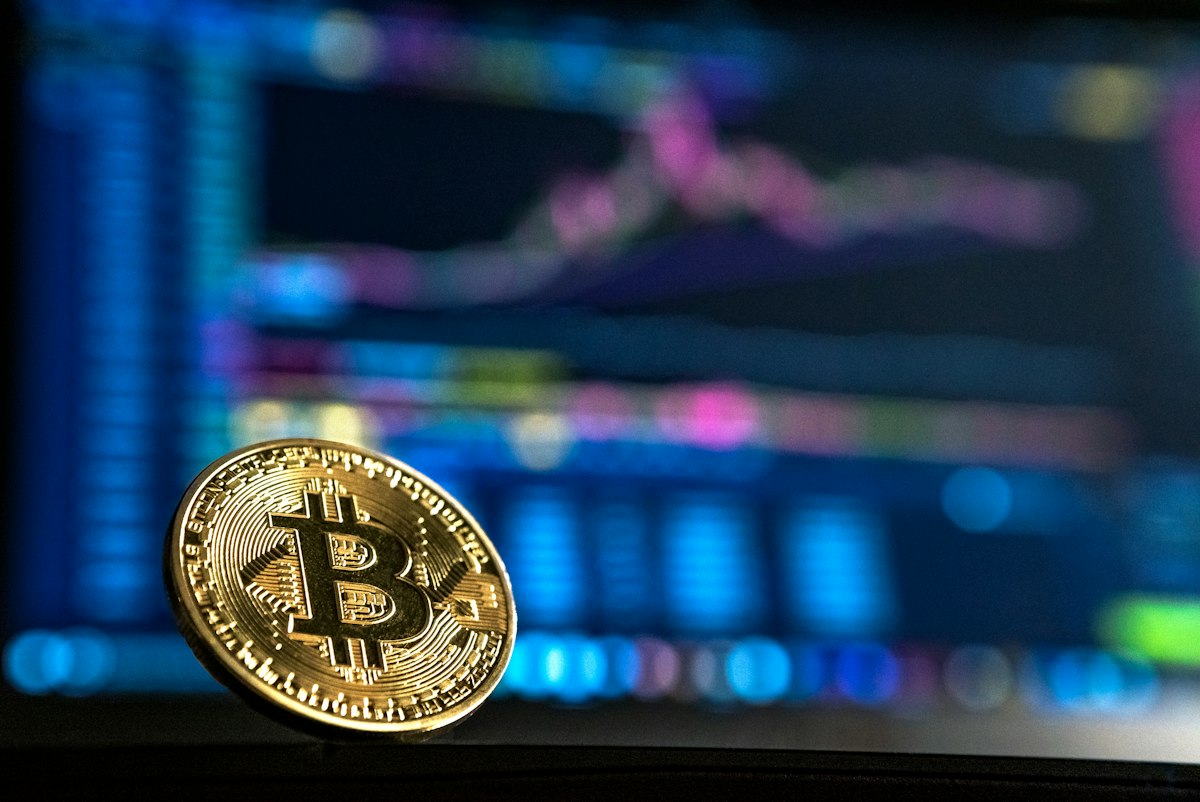
Canada was early to crypto regulation, and it shows: the easiest way to buy Bitcoin in Canada in 2026 runs through FINTRAC-registered exchanges that operate under securities regulation in most provinces. Platforms like Bitbuy, NDAX, Shakepay, Kraken, and Coinbase's Canadian entity all serve Canadians with Interac e-Transfer funding — deposits that are typically free and land in minutes. Registration takes 10-20 minutes with a driver's licence and a selfie.
Each platform has a personality. Shakepay is the beginner favorite: dead-simple app, Interac funding, and its famous 'shake your phone daily for free sats' rewards that drip small amounts of Bitcoin to active users. NDAX appeals to the fee-conscious with some of Canada's lowest trading fees and a no-nonsense pro interface. Bitbuy leans on trust and customer service, while Kraken brings global depth and advanced order types. All are legitimate; the choice is about interface and fee structure, not safety.
Fees deserve a close read because they hide in the spread. Some platforms advertise 'zero fees' while baking 1-2% into the buy/sell price; others charge explicit commissions of 0.2-1% with tighter spreads. For a $1,000 buy, the all-in cost difference between the cheapest and priciest reputable option can be $15-25 — meaningful if you buy regularly. Check the fee schedule and, better, compare the final BTC amount quoted for a fixed dollar figure across two platforms before committing.
Then there is the route that skips coins entirely: Bitcoin ETFs. Canada approved the world's first spot Bitcoin ETFs back in 2021, and in 2026 funds from Purpose, 3iQ, Fidelity, and others trade on the TSX like any stock — buyable inside TFSA, RRSP, and FHSA accounts through any brokerage. Inside a TFSA, gains are tax-free; inside an RRSP, tax-deferred. You never touch a wallet, seed phrase, or exchange — the trade-off is management fees (~1% annually) and no ability to spend or self-custody the coins.
Tax is where Canadians most often stumble. The CRA treats Bitcoin as a commodity: selling, trading, or spending BTC triggers capital gains (or business income for active traders), with only the gain taxable and a 50% inclusion rate for capital gains. The ETFs-in-registered-accounts route sidesteps this elegantly inside TFSAs. Keep records of every buy, sell, and transfer — adjusted cost base calculations across multiple platforms are miserable to reconstruct years later, and the CRA has been sending crypto 'reminder' letters.
Security basics close the loop. Enable two-factor authentication (app-based, not SMS) on every exchange account, use a unique password via a password manager, and withdraw holdings you are not actively trading to your own wallet — hardware wallets for serious amounts. Ignore every DM offering to 'double your Bitcoin,' every fake support agent asking for your seed phrase, and every too-good mining contract. In Canada's mature market, the scams are the main risk left — the on-ramps themselves are solved.
More from LiveCoin Bet